how to select the perfect periodic table for your classroom
When it comes to teaching chemistry, one of the most important tools in your arsenal is the periodic table. A well-chosen periodic table can not only enhance your students' understanding of the elements but also inspire curiosity about the science behind them. In 2026, with numerous options available, selecting the perfect periodic table for your classroom requires careful consideration of various factors. This guide will provide you with practical advice to make the best choice.
Consider the Learning Objectives
Before selecting a periodic table, take time to reflect on the learning objectives for your chemistry curriculum. Are you focusing on basic concepts of elements and compounds, or are you diving deeper into atomic structure and periodic trends? Your objectives will dictate the complexity and type of information that should be featured on the table.
Choose the Right Format
Periodic tables come in a variety of formats, including wall charts, laminated poster boards, interactive digital displays, or even student handouts. Wall charts are great for classroom display and can serve as a visual reference throughout the year. Laminated tables are durable and can be used in various settings, while digital displays can offer interactive elements that engage students and provide animations or detailed information on each element. Consider your classroom environment and how the table will be used when deciding on the format.
People Also Look For:
- Periodic Table of Elements Poster For Kids - LAMINATED - Science & Chemistry Chart for Classroom - (18" x 24")
- Riosupply ABS Periodic Table Cube, 3rd-Order Learning Formula for Chemistry Lovers
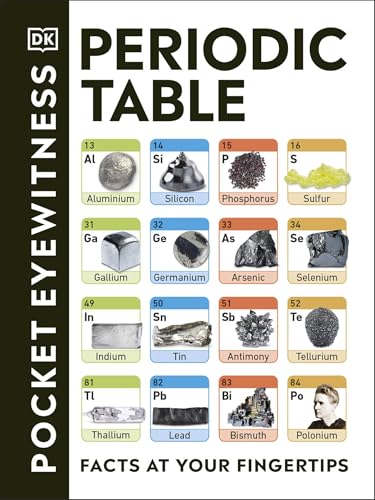
- Periodic Table: Facts at Your Fingertips (Pocket Eyewitness)
- The Periodic Table Posters - Set of 2 - EXTRA LARGE - A1 (850mm x 594mm) - Gloss Paper - Science Wall Charts for Secondary School ...
- MegaBox Periodic Table With 83 Kinds Of Real Elements With Wooden Stand, Perfect Science Teacher Gift (Regular 6.0 X 4.5 in)
Evaluate the Design and Layout
The design of the periodic table is crucial for readability and engagement. Look for tables that use clear fonts and colour coding to categorise elements. A well-designed periodic table will often have sections for metals, non-metals, and metalloids, as well as distinguishing between different groups and periods. Ensure that the layout is not overcrowded with information, as this can overwhelm students.
Incorporate Interactive Elements
In today's digital age, incorporating interactive elements into your periodic table can significantly enhance learning. Consider choosing a digital periodic table that allows students to click on elements to access additional information, such as atomic mass, historical significance, and application in daily life. Some digital tables even include quizzes and games that help reinforce learning through fun and interactive methods.
Assess Additional Features for Engagement
Look for periodic tables that offer extra features that can facilitate deeper exploration. Some tables include images of the elements, common compounds, or even real-life applications. These features can spark discussions and encourage students to think critically about how elements interact in the world around them. A table that links elements to everyday items can also help students relate chemistry to their lives.
Material Quality and Durability
The material of the periodic table is an important aspect to consider. If you are opting for a physical table, ensure that it is made from high-quality, durable materials which can withstand the wear and tear of daily classroom use. Laminated tables are often a good choice since they are easy to clean and resistant to damage. For wall charts, consider ones that are printed on sturdy paper or canvas that can hold up over time.
Seek Feedback from Colleagues
Before making a final decision, it can be beneficial to seek feedback from colleagues who have used different types of periodic tables. They can provide insights based on their experiences, highlighting what worked well and what did not. Engaging in discussions can help you discover options that may not have been on your radar and can lead to a more informed decision.
Budget Considerations
Finally, consider your budget when selecting a periodic table. While it might be tempting to go for the most expensive option, there are many affordable choices that can still meet your needs effectively. Compare different suppliers and consider bulk orders if purchasing for multiple classrooms. Balancing quality with budget constraints is key to ensuring you make a wise investment.