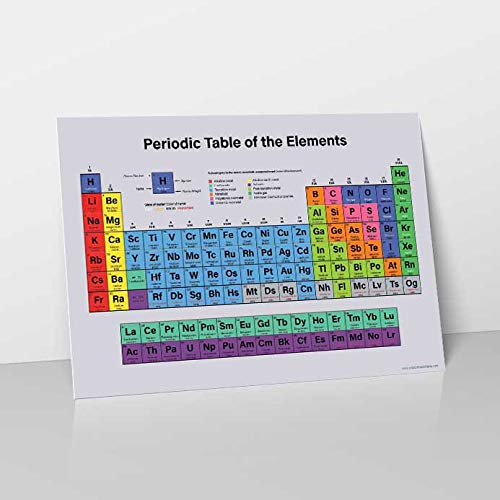
comparing different styles of artistic periodic tables
Periodic tables have long been the cornerstone of chemistry, serving as a fundamental guide to understanding the elements that make up our world. However, in recent years, there has been a surge of creative and artistic interpretations of this scientific tool. From minimalist designs to vibrant infographics, artistic periodic tables not only serve an educational purpose but also appeal to our aesthetic sensibilities. This article compares various styles of artistic periodic tables, highlighting their unique features and practical uses.
Infographic Style
Infographic periodic tables are packed with vibrant colours and engaging graphics, often incorporating images related to the elements. These tables are designed to convey information quickly and visually, making them ideal for educational settings. For instance, a table might showcase the elements with their atomic numbers, symbols, and additional information like their states of matter at room temperature. Infographic tables are particularly effective for younger audiences or those new to chemistry. When selecting an infographic periodic table, look for one that balances visual appeal with clear information to aid comprehension.
Minimalist Style
On the opposite end of the spectrum, minimalist periodic tables focus on simplicity and elegance. These designs often utilise monochrome colour palettes and clear typography to present the elements in a straightforward manner. A minimalist table typically highlights the atomic number, symbol, and name of each element without unnecessary embellishments. This style is particularly well-suited for professional settings or for individuals who appreciate a clean aesthetic. When choosing a minimalist periodic table, consider the clarity of the text and the overall layout, as these factors greatly contribute to its effectiveness as a reference tool.
People Also Look For:
- Giftota Original Periodic Table with Real Elements Inside - Acrylic Real Periodic Table of 83 Elements - Chemistry Gifts Crafts De...
- The Periodic Table: From Alchemy to the Nuclear Age
- MegaBox Periodic Table With 83 Kinds Of Real Elements With Wooden Stand, Perfect Science Teacher Gift (Large 8.2 X 6.5 in)
- Lift the Flap Periodic Table (See Inside)
- Photographic Card Deck Of The Elements: With Big Beautiful Photographs of All 118 Elements in the Periodic Table (BD&L)
Art Deco and Retro Styles
For those with a penchant for vintage design, Art Deco and retro-style periodic tables offer a nostalgic flair. These tables often feature ornate borders, vintage fonts, and a colour palette reminiscent of the early to mid-20th century. The elements may be arranged in a way that reflects the artistic styles of the era, making them not just educational tools but also pieces of art. Ideal for display in homes or offices, Art Deco periodic tables can spark conversation and appreciation for both art and science. Look for high-quality prints that capture the intricacies of the design for the best visual impact.
Interactive Digital Tables
The advancement of technology has led to the creation of interactive digital periodic tables. These online resources allow users to click on elements to reveal detailed information, such as electron configurations, isotopes, and historical data. Some interactive tables even offer visual representations of the elements' properties, such as their atomic radius or electronegativity. This style is particularly beneficial for students and educators, as it encourages exploration and engagement with the material. When selecting an interactive periodic table, ensure it is user-friendly and offers comprehensive information to enhance the learning experience.
3D Printed Periodic Tables
Another exciting trend is the development of 3D printed periodic tables. These tactile representations allow users to learn about the elements through touch. Each element can be represented as a separate piece, which can be arranged and rearranged based on various properties such as atomic weight or group number. This hands-on approach is particularly effective for kinesthetic learners who benefit from physical interaction with educational materials. When considering a 3D printed table, look for sets that are durable and well-crafted to withstand frequent handling.
Conclusion
With such a diverse array of artistic periodic tables available, choosing the right style depends on your audience and purpose. Whether seeking a vibrant infographic for a classroom setting, a minimalist table for a professional environment, or a tactile 3D model for interactive learning, there is a perfect periodic table style for everyone. These artistic interpretations not only enrich our understanding of the elements but also celebrate the intersection of art and science.